Brand Deals · June 25, 2026
How to Follow Up on a Brand Deal Email Without Being Annoying
A well‑timed, courteous follow‑up can turn a silent inbox into a closed contract. This guide explains when to email, what tone to use, and how to add value without sounding pushy.
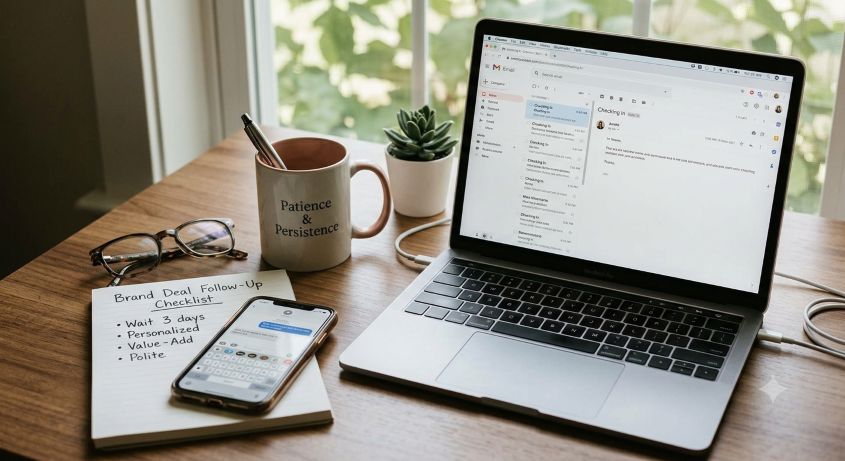
A well‑timed, courteous follow‑up can turn a silent inbox into a closed contract, but over‑messaging or the wrong tone can damage a creator’s reputation. This guide shows you exactly when, how, and what to say so you stay professional, keep the brand interested, and move the deal forward without coming across as pushy.
Why is a follow‑up email essential in the brand‑deal process?
A follow‑up signals that you’re organized, serious about the partnership, and respectful of the brand’s timeline. It reminds the brand of your proposal without assuming they forgot, and it gives you a chance to clarify any missing details that may be holding up a decision.
When you follow up correctly, you demonstrate reliability—a trait brands value as much as audience size. It also creates a documented trail of communication that can be referenced later in negotiations or invoicing, reducing misunderstandings down the line.
When is the right time to send the first follow‑up?
The first follow‑up should be sent 3–5 business days after your initial outreach, unless the brand specified a different response window. This window balances giving the brand enough time to review your pitch while keeping the conversation fresh in their inbox.
If the brand mentioned a specific deadline (e.g., “We’ll decide by next Friday”), schedule your follow‑up for the day after that deadline passes. Use calendar reminders or an AI sponsorship manager to automate these timing cues, ensuring you never miss a window.
What tone should you use to sound professional but friendly?
Adopt a tone that is courteous, concise, and confident. Begin with a brief thank‑you for their time, restate your enthusiasm for the partnership, and keep the language neutral—avoid slang or overly casual phrasing.
A good template: “Hi [Name], I hope you’re well. I wanted to check in on my proposal for [campaign] and see if you have any questions.” This approach shows respect for their schedule while keeping the door open for dialogue.
How many follow‑up attempts are acceptable before you stop?
Generally, two to three follow‑ups are considered acceptable. The first is a polite reminder, the second can add a new piece of value (e.g., a fresh content idea or updated metrics), and the third can be a final check‑in before you move on.
If after the third attempt you still receive no response, it’s best to archive the lead and focus on other opportunities. Continuing beyond three attempts can appear desperate and may harm future outreach to the same brand.
What should you include in each follow‑up to add value?
Each follow‑up should contain at least one new element that makes the email worth opening:
- Updated performance data – recent post stats that reinforce your reach.
- A fresh creative concept – a quick sketch of a new angle for the campaign.
- Relevant case study – a short example of a similar brand partnership that succeeded.
- Clear next steps – a specific call‑to‑action, such as scheduling a 15‑minute call.
By providing something new, you avoid the perception of “spamming” and give the brand a reason to re‑engage.
How can an AI sponsorship manager streamline the follow‑up workflow?
An AI sponsorship manager can automate reminders, suggest optimal send times based on past brand behavior, and even draft personalized follow‑up snippets using the brand’s previous communication style.
Automation frees you from manual tracking, reduces the risk of missed deadlines, and ensures each email maintains a consistent, professional voice. It also logs every interaction, creating a clear audit trail for invoicing and future negotiations.
What if the brand replies with a “no” or asks for a delay?
When a brand says “no,” thank them for their consideration, ask for feedback, and keep the door open for future collaborations. Example: “I appreciate your time, and I’d love any feedback that could help me improve future proposals.”
If they request a delay, confirm the new timeline and set a calendar reminder to follow up at the agreed‑upon date. This shows flexibility and keeps the relationship warm for when the brand is ready.
How do you handle a completely silent brand without appearing pushy?
If a brand goes silent after three attempts, send a final “soft close” email that politely indicates you’ll assume they’re not interested for now but you’re happy to revisit later. Example: “I haven’t heard back, so I’ll close this thread for now. Please feel free to reach out if circumstances change.”
After sending this, archive the lead in your CRM or AI manager. This respectful exit leaves a positive impression, making it easier to re‑engage if the brand’s needs evolve.
FAQ
How long should a follow‑up email be?
Keep it under 150 words. A concise subject line, a brief greeting, a single sentence reminding them of the original proposal, a new value point, and a clear call‑to‑action are enough.
Should I use a different subject line for each follow‑up?
Yes. Vary the subject line to reflect the new content you’re adding, such as “Quick update on our Instagram campaign idea” or “New performance metrics for [Your Channel]”. This increases open rates and signals fresh information.
Is it okay to follow up on a weekend?
Generally avoid weekends unless the brand’s communication style is known to be active then. Weekday mornings (Tuesday–Thursday) tend to have higher open and response rates.
What if I accidentally send a follow‑up too early?
Apologize briefly, acknowledge the premature timing, and reaffirm your enthusiasm. Most brands understand that creators manage many outreach threads and will appreciate the honesty.